最新资讯
Latest News

Today’s episode of Hiba Insights: Educator Perspectives shines the spotlight on Catherine Ding, our Head of Chinese. For Catherine, teaching Chinese is about much more than simply passing on knowledge. It’s about creating a space for cultural exchange and expression, helping pupils connect meaningfully with their heritage as they build the confidence to share China’s stories with the world. Catherine sums up her approach to teaching in three words: inclusive, inspiring and innovative.
Inclusive:Education Without Borders
Catherine grew up in a family of teachers, but she didn’t plan on becoming a teacher. That all changed at university, when a foreign literature tutor introduced her to Teaching Chinese as a Foreign Language — a field that brings both language and culture to new audiences worldwide. It was then that Catherine realised education could be a journey across borders.
She went on to study Chinese International Education at Shanghai International Studies University, and later, as a volunteer with the Centre for Language Education and Cooperation, she taught at an international school in Madrid. Her students came from many different backgrounds, each with their own languages, customs and values. At first, Catherine saw her job as simply teaching Chinese language and culture. But small misunderstandings in the classroom made her realise that without mutual respect and awareness of each other’s backgrounds, communication could only go so far.
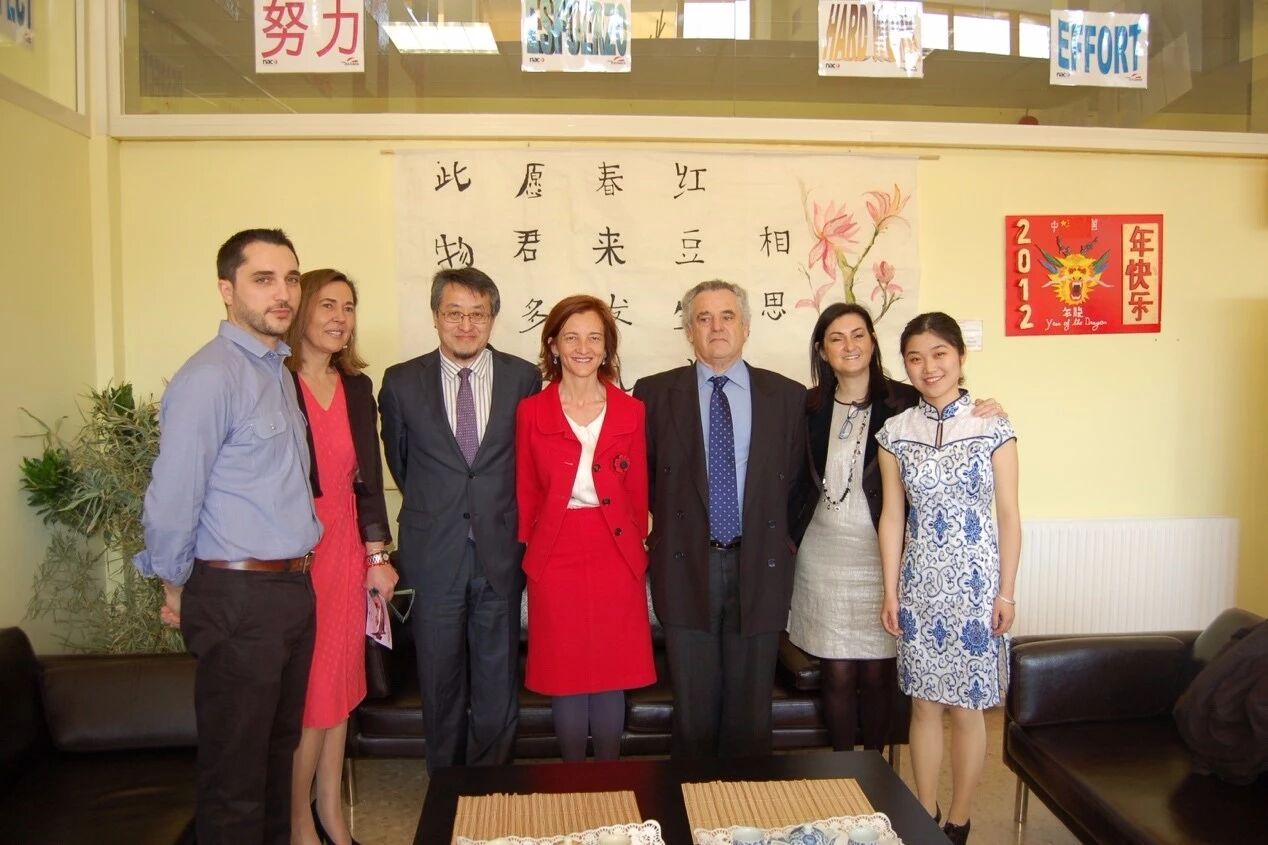
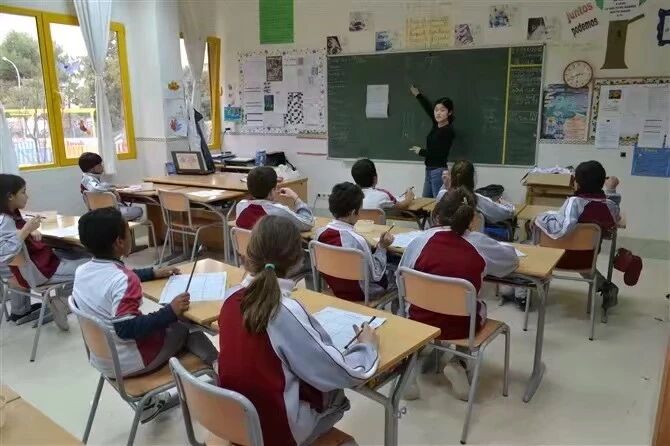
She encouraged pupils to share their own cultures first, then linked their experiences to China’s language and traditions. Her lessons became open spaces where different voices could meet and genuine understanding could grow.
Inspiring: Evolving Through Practice
When Catherine returned to China, she taught in both international and bilingual schools. Her experiences abroad made her even more focused on her pupils: she took time to understand their interests and viewpoints, then shaped her lessons around what mattered to them.
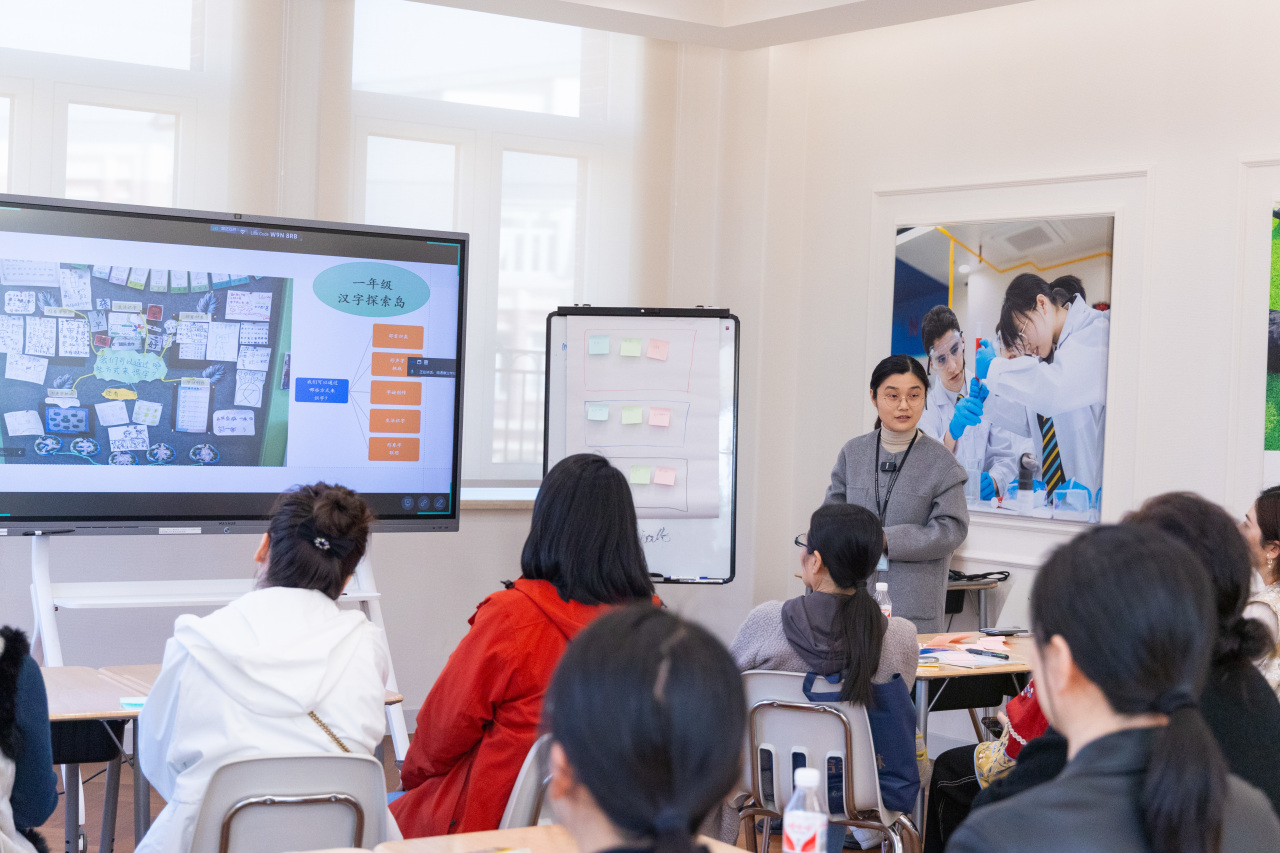
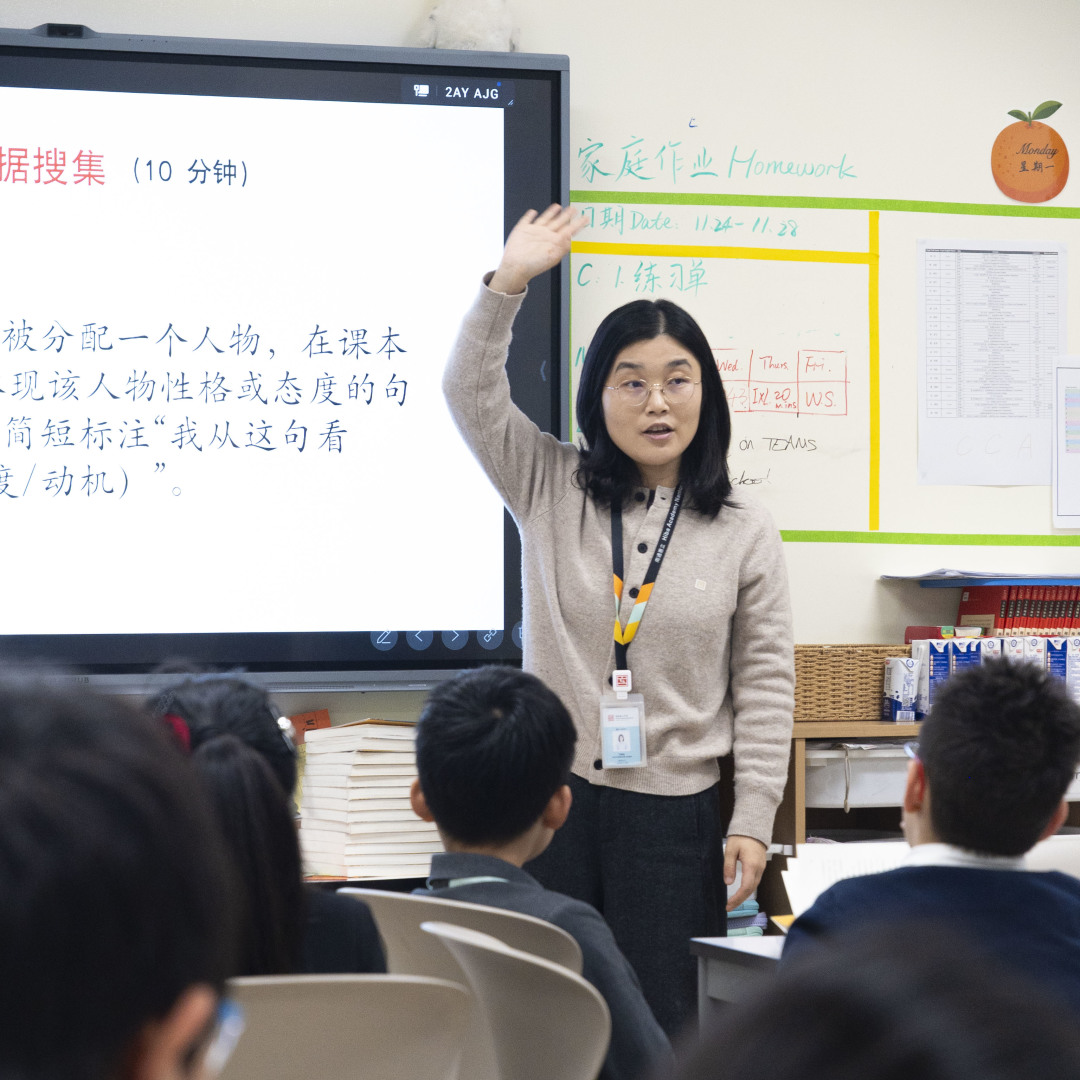
She took her lessons beyond the textbook with open-ended questions and inquiry-based tasks that encouraged her pupils to use Chinese when discussing real-world issues. Topics ranged from the relevance of Confucian sayings in modern life to comparing Lu Xun’s writing with contemporary social issues. These questions served as threads for deeper, more expressive and analytical thinking.
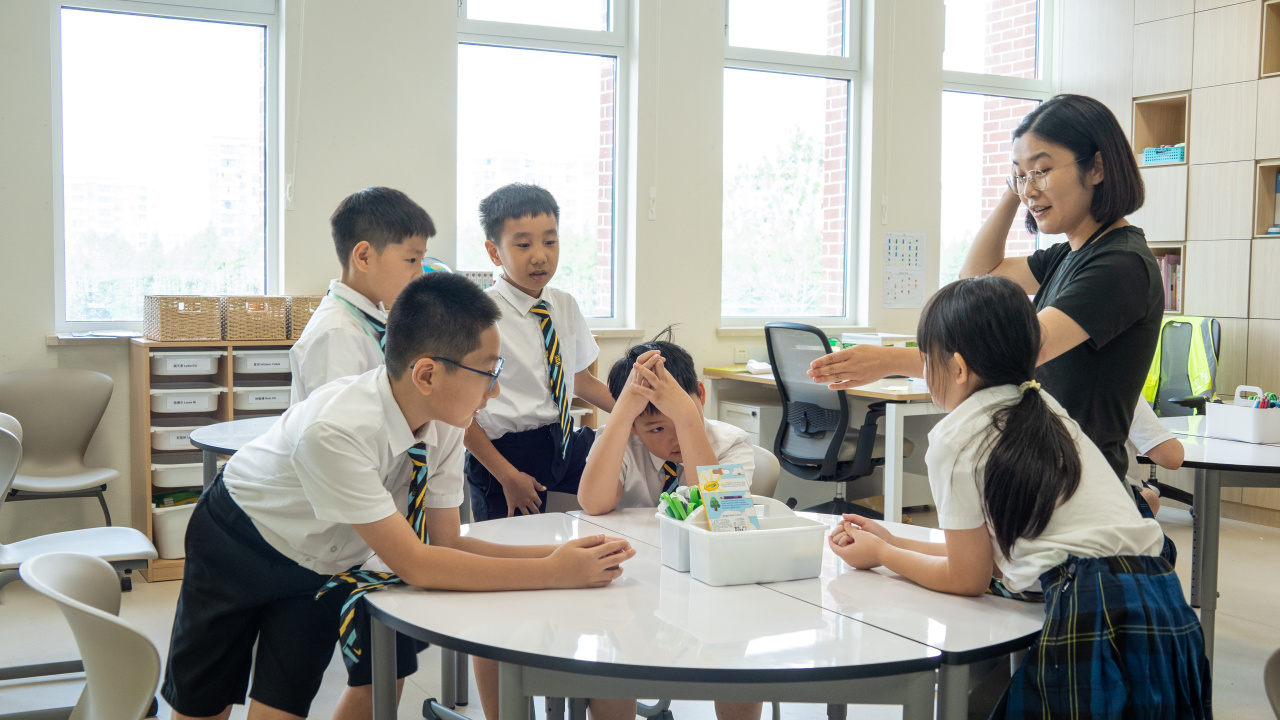
In this environment, inspiration is a two-way street. Pupils build their language skills and critical thinking, while Catherine continually reflects on how Chinese teaching can foster cultural exchange. For her, learning Chinese isn’t only about communication; it’s a chance to deepen one’s understanding of a people, their history and their culture.
Innovative: Bridging Roots and Horizons
At Hiba, Catherine uses her experience to shape an innovative curriculum. Her lessons integrate the Chinese language with global classics. For example, she might compare mythical creatures from The Classic of Mountains and Seas with the gods of the ancient Greeks. It’s about creating globally-minded conversations and recognising our shared heritages and what makes each culture unique. Ultimately, pupils learn empathy, respect and curiosity as well as a language.
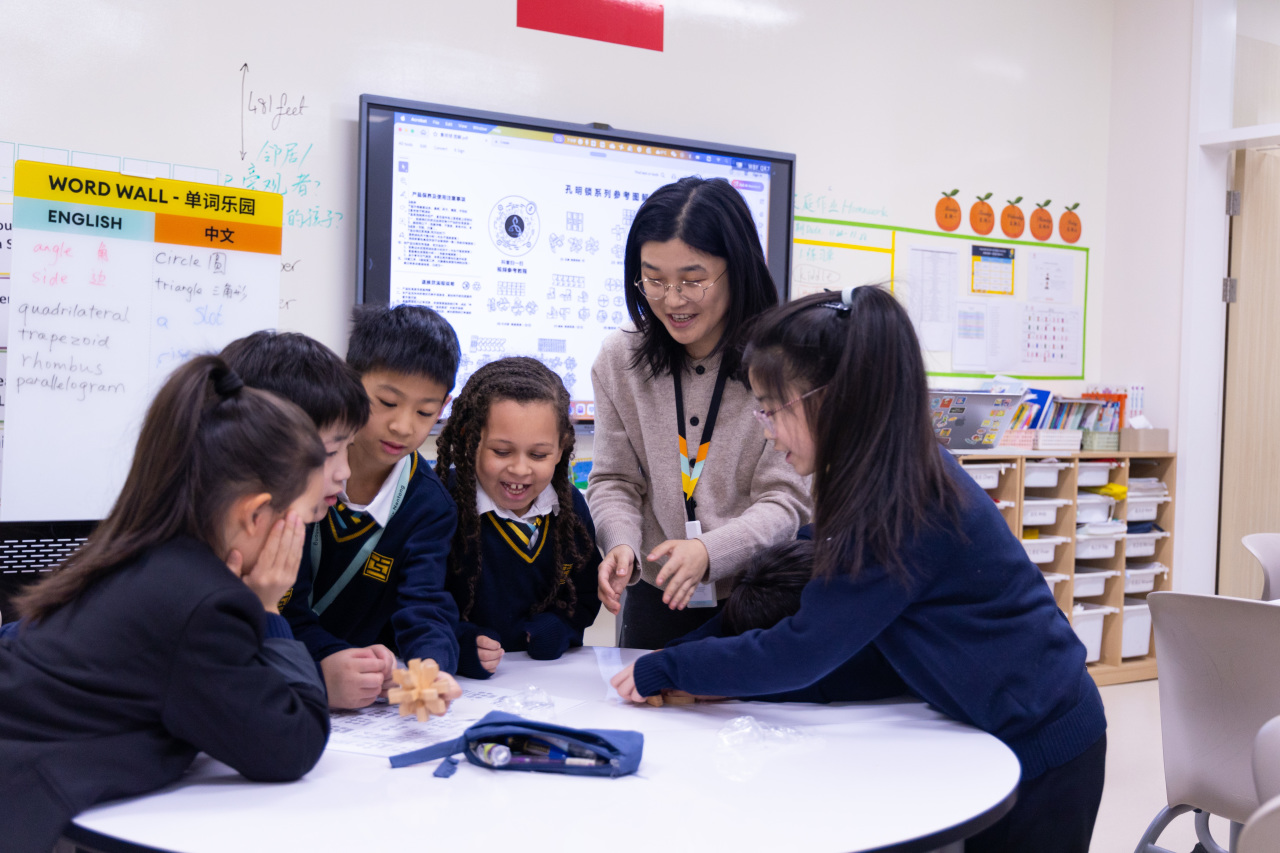
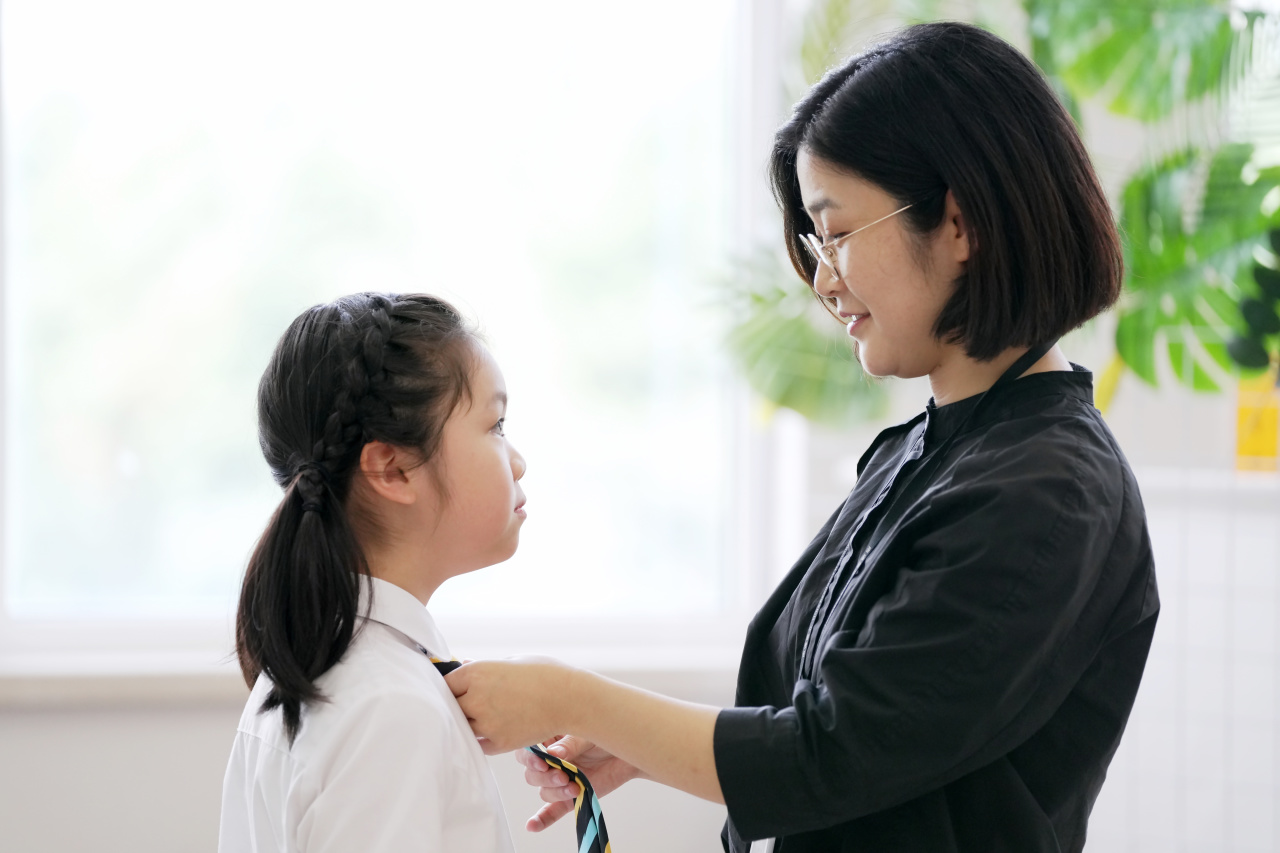
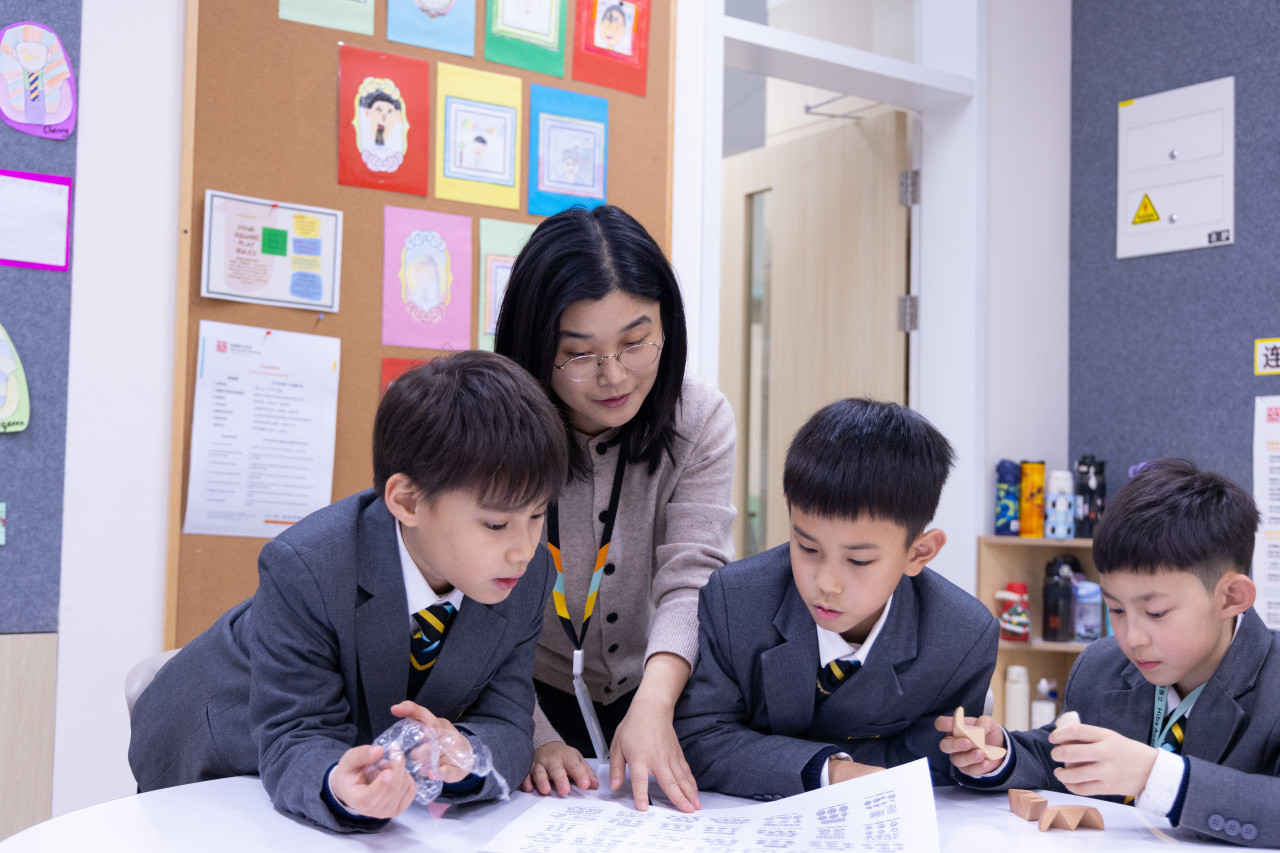
Cathering sums it up perfectly: “True education enables pupils to look out at the world, while always being able to look back towards their cultural roots.”
Catherine will be joining the Hiba Talks live broadcast at 7:30 this evening to share further insights into educational philosophy. We warmly invite you to join us.

Catherine’s Tips for Effective Language Learning:
Read regularly — and choose a variety of topics.
Read aloud — to develop your sense of language and feel the rhythm of words.
Read with questions — ask before you read, think as you read, and reflect afterwards.
Stay tuned. We’ll be sharing more teachers’ insights soon!



Today’s episode of Hiba Insights: Educator Perspectives shines the spotlight on Catherine Ding, our Head of Chinese. For Catherine, teaching Chinese is about much more than simply passing on knowledge. It’s about creating a space for cultural exchange and expression, helping pupils connect meaningfully with their heritage as they build the confidence to share China’s stories with the world. Catherine sums up her approach to teaching in three words: inclusive, inspiring and innovative.
Inclusive:Education Without Borders
Catherine grew up in a family of teachers, but she didn’t plan on becoming a teacher. That all changed at university, when a foreign literature tutor introduced her to Teaching Chinese as a Foreign Language — a field that brings both language and culture to new audiences worldwide. It was then that Catherine realised education could be a journey across borders.
She went on to study Chinese International Education at Shanghai International Studies University, and later, as a volunteer with the Centre for Language Education and Cooperation, she taught at an international school in Madrid. Her students came from many different backgrounds, each with their own languages, customs and values. At first, Catherine saw her job as simply teaching Chinese language and culture. But small misunderstandings in the classroom made her realise that without mutual respect and awareness of each other’s backgrounds, communication could only go so far.
She encouraged pupils to share their own cultures first, then linked their experiences to China’s language and traditions. Her lessons became open spaces where different voices could meet and genuine understanding could grow.
Inspiring: Evolving Through Practice
When Catherine returned to China, she taught in both international and bilingual schools. Her experiences abroad made her even more focused on her pupils: she took time to understand their interests and viewpoints, then shaped her lessons around what mattered to them.
She took her lessons beyond the textbook with open-ended questions and inquiry-based tasks that encouraged her pupils to use Chinese when discussing real-world issues. Topics ranged from the relevance of Confucian sayings in modern life to comparing Lu Xun’s writing with contemporary social issues. These questions served as threads for deeper, more expressive and analytical thinking.
In this environment, inspiration is a two-way street. Pupils build their language skills and critical thinking, while Catherine continually reflects on how Chinese teaching can foster cultural exchange. For her, learning Chinese isn’t only about communication; it’s a chance to deepen one’s understanding of a people, their history and their culture.
Innovative: Bridging Roots and Horizons
At Hiba, Catherine uses her experience to shape an innovative curriculum. Her lessons integrate the Chinese language with global classics. For example, she might compare mythical creatures from The Classic of Mountains and Seas with the gods of the ancient Greeks. It’s about creating globally-minded conversations and recognising our shared heritages and what makes each culture unique. Ultimately, pupils learn empathy, respect and curiosity as well as a language.
Cathering sums it up perfectly: “True education enables pupils to look out at the world, while always being able to look back towards their cultural roots.”
Catherine will be joining the Hiba Talks live broadcast at 7:30 this evening to share further insights into educational philosophy. We warmly invite you to join us.
Catherine’s Tips for Effective Language Learning:
Read regularly — and choose a variety of topics.
Read aloud — to develop your sense of language and feel the rhythm of words.
Read with questions — ask before you read, think as you read, and reflect afterwards.
Stay tuned. We’ll be sharing more teachers’ insights soon!