最新资讯
Latest News

In this edition of Hiba Insights: Educator Perspectives, Ms Xing, our Head of Primary Maths, shares her journey as an educator. From discovering skip counting through playground games in Australia to researching bilingual maths education at Durham University in the UK, her story reflects a thoughtful blend of Eastern and Western approaches to teaching and learning.
At Hiba Academy Nantong, bilingual maths teaching is much more than simply using two languages. It brings together two complementary ways of thinking about mathematics. Chinese approaches offer strong logical structure and computational fluency, giving pupils a solid foundation. Western approaches place greater emphasis on context, discussion and problem solving, encouraging pupils to explore ideas from different angles and learn through trial and error. In our classrooms, we don’t rely on a single approach. We encourage pupils to draw on both, helping them build a flexible and well rounded understanding of maths.
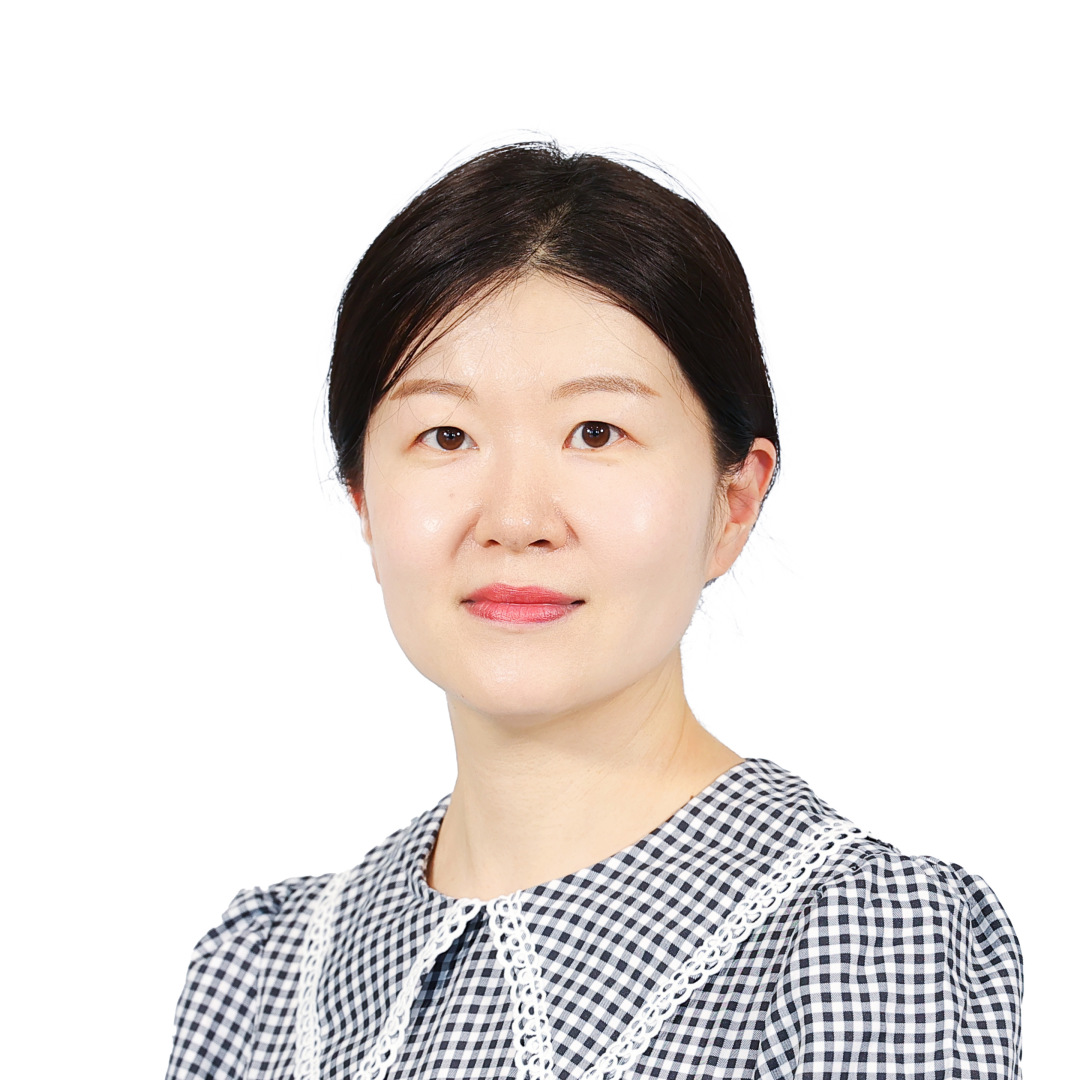
Kristen Xing
Head of Primary Maths
Maths at Hiba Academy Nantong
Bilingual, Practical, Rigorous
Maths is a rigorous discipline and a powerful way to understand the world. At Hiba Academy Nantong, we teach maths through a bilingual approach that blends clear structure with real world application and confident communication in both languages.
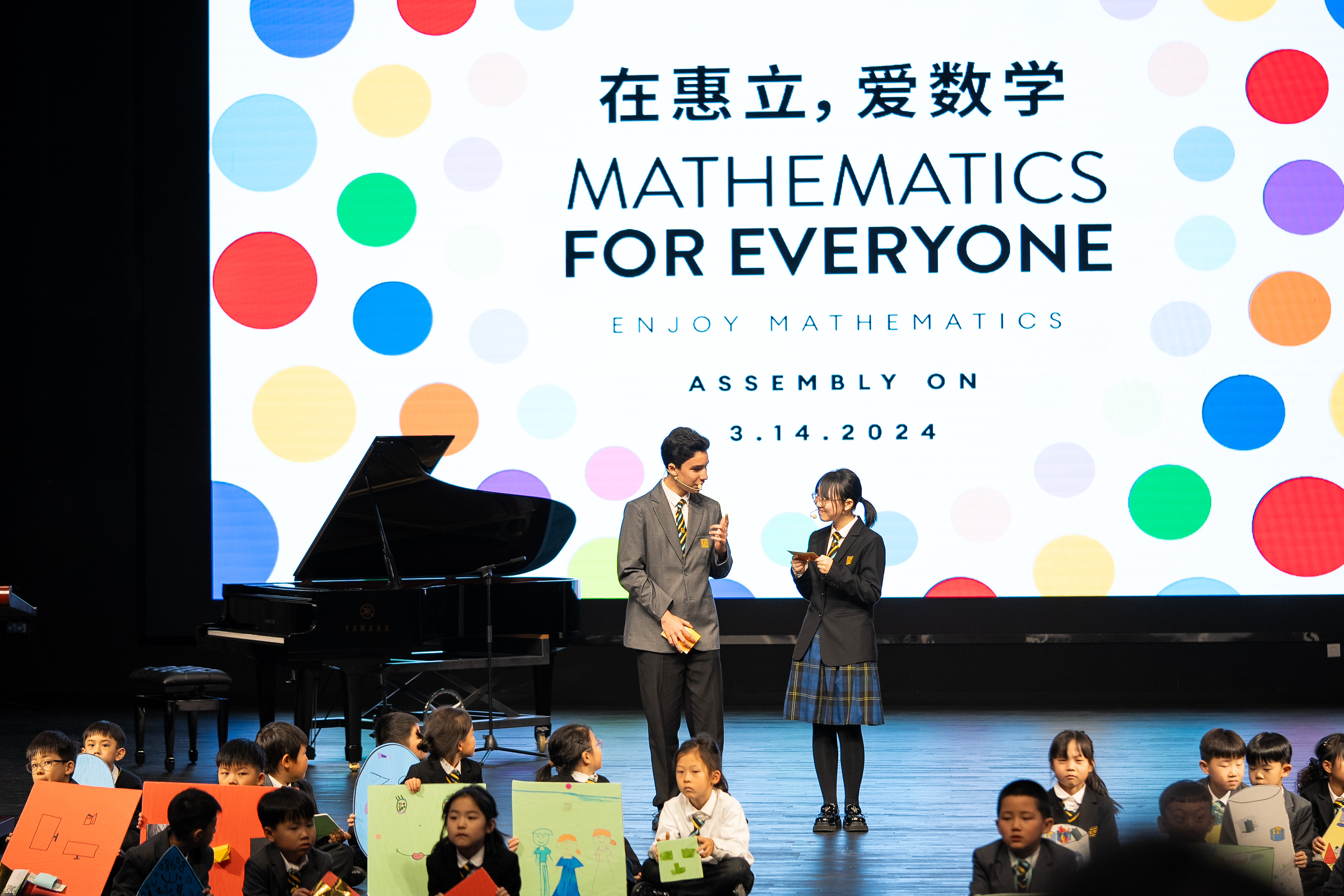
Our Show–Do–Think–Solve Approach
Show
Pupils share what they already know, prompted by thoughtful questions.
Do
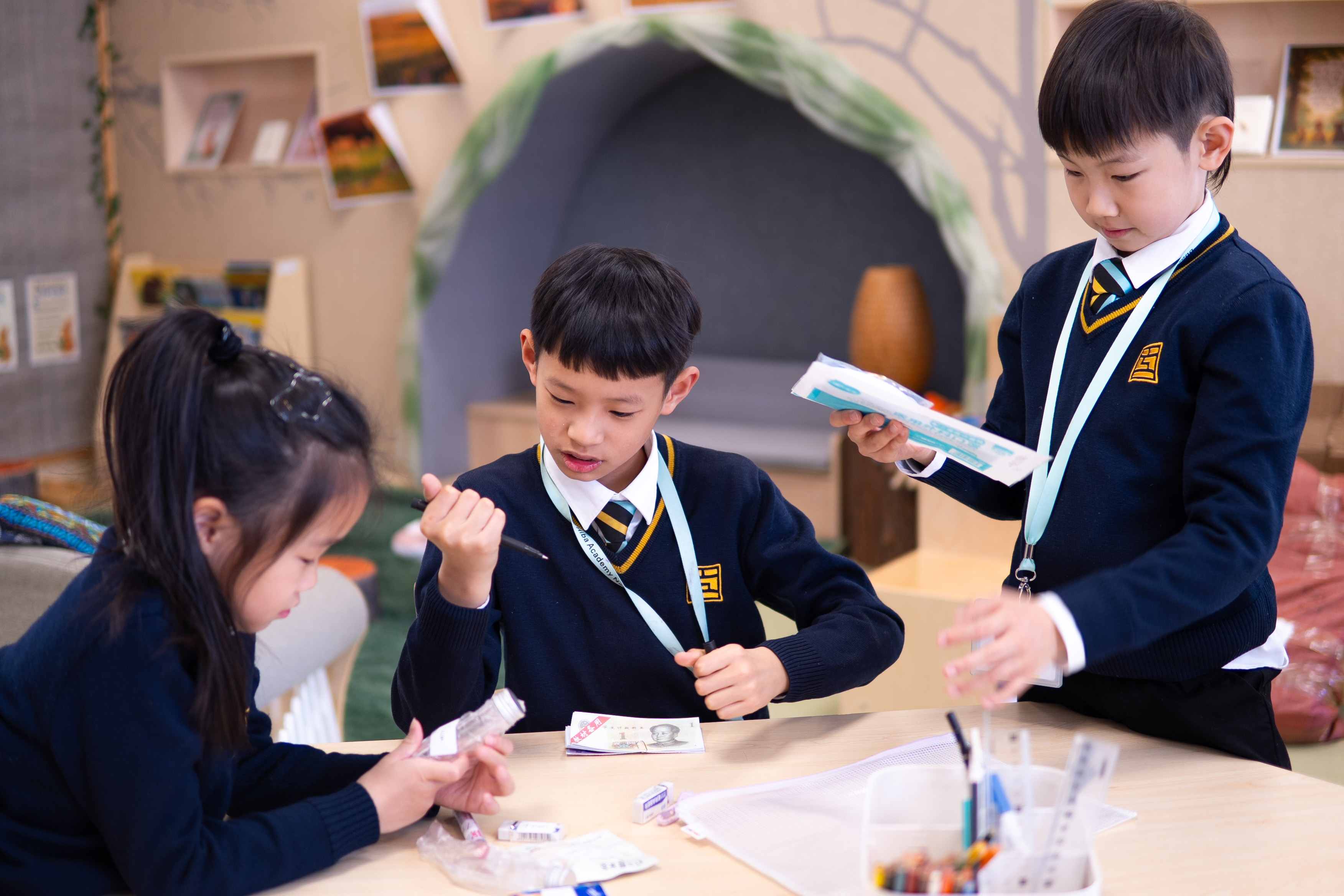
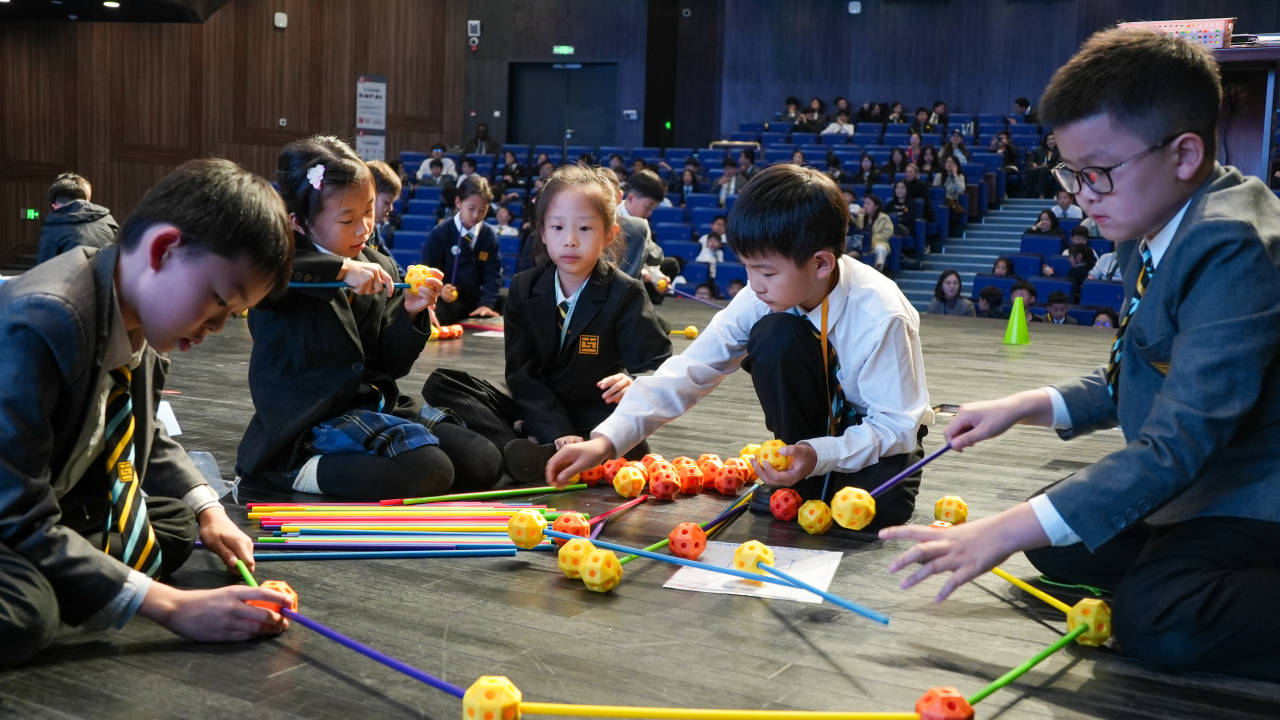
Concepts are strengthened through hands on activities and focused practice.
Think
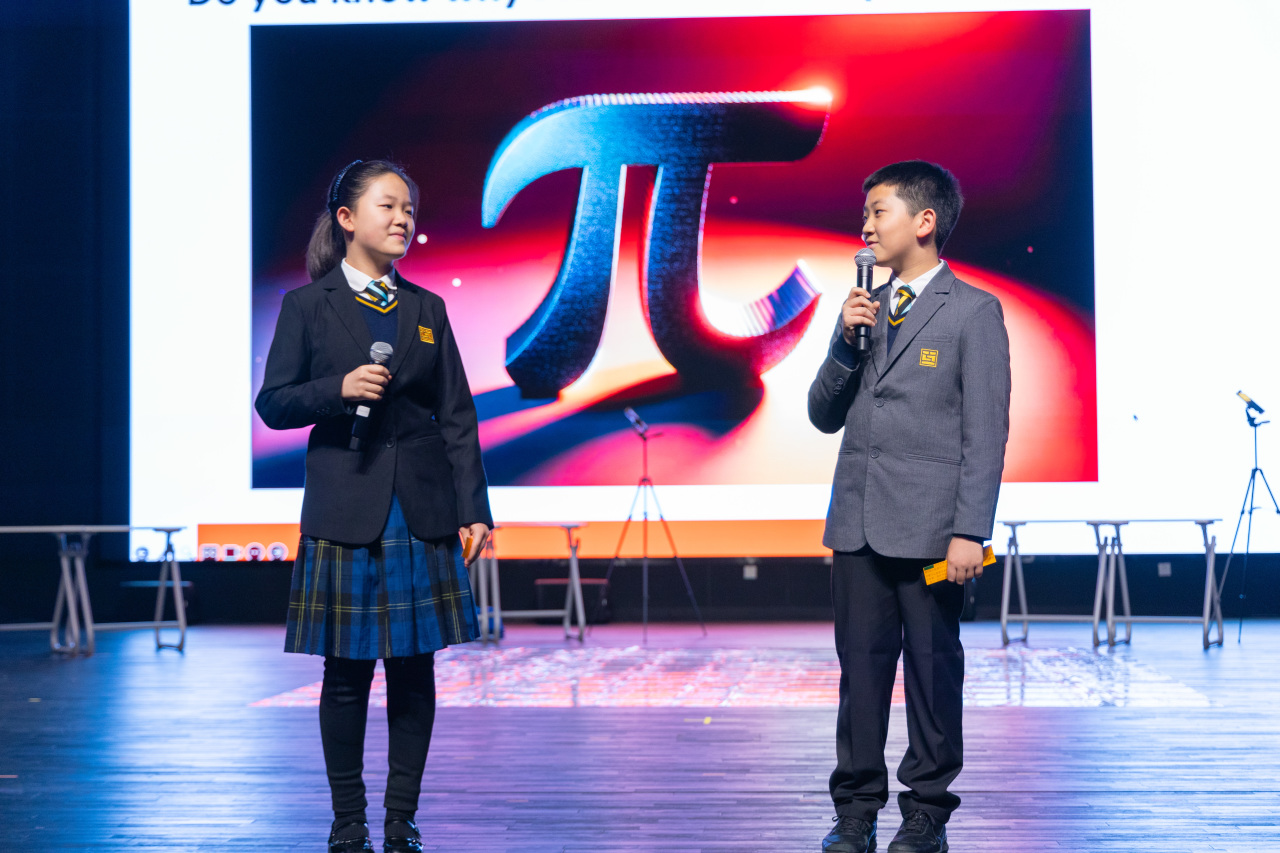
Understanding deepens through reasoning, discussion and guided inquiry.
Solve
Knowledge is applied to real contexts and meaningful problems.
From budgeting daily expenses to modelling weather patterns, pupils learn to break down problems, analyse them systematically and explore different solution paths through games, group work and real world modelling. Along the way, they build core skills in logical reasoning, pattern recognition and creative problem solving — skills that transfer well beyond maths.
Why Bilingual?
Our bilingual approach brings together two complementary strengths. Chinese teaching approaches emphasise logical rigour and fluency, giving pupils a strong foundation. At the same time, Western, English-language approaches encourage context, discussion and collaborative inquiry. This helps pupils approach problems from different angles and develop resilience through trial and error.
By the time they advance to the upper Primary years, pupils typically master 500–1,000 mathematical terms in English. This supports an international perspective and prepares them for bilingual or overseas study.
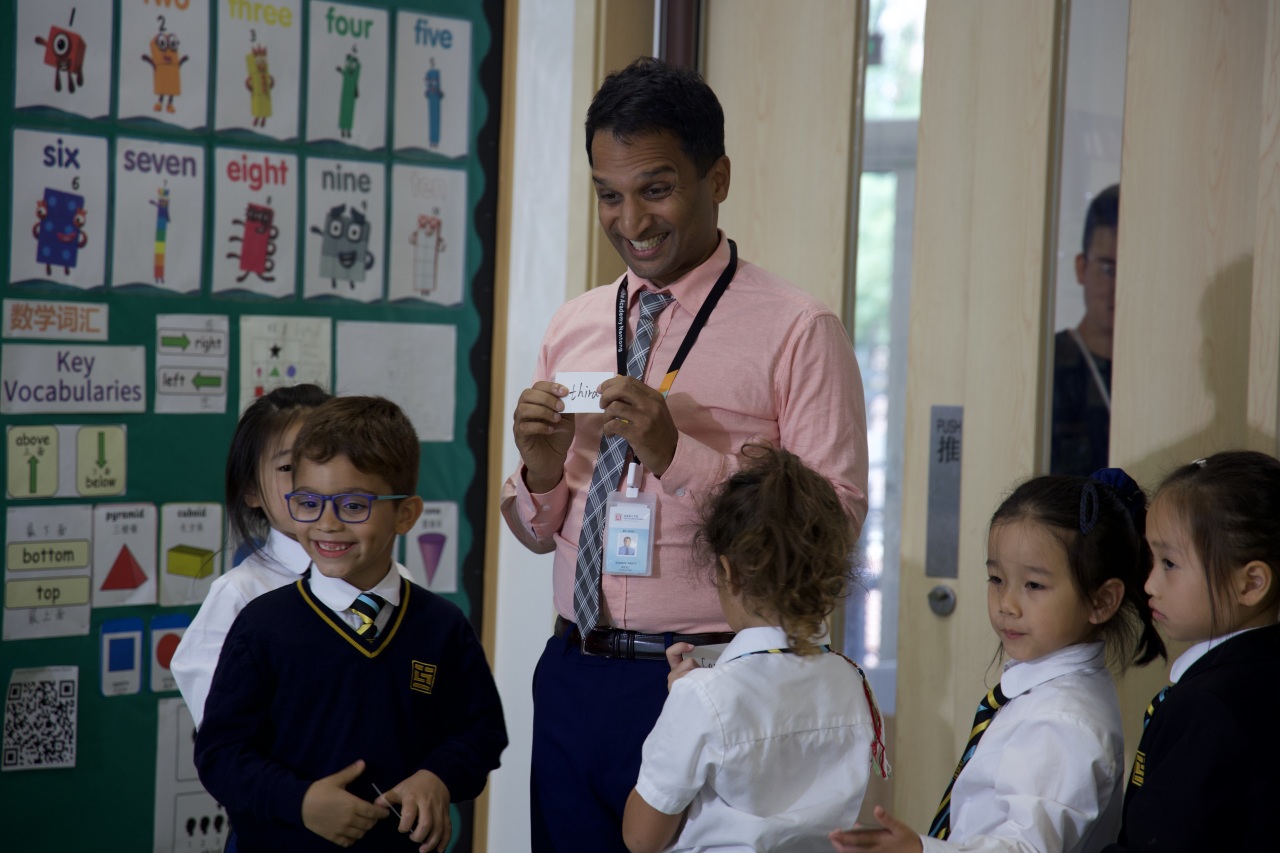
Meeting Pupils Where They Are
Every pupil learns differently. Some think best in shapes and spatial patterns; others prefer step by step logical reasoning. We use a blend of personalised and differentiated teaching, designing tiered tasks that extend high achievers while providing focused support for those who need reinforcement. The aim is steady progress for every pupil and genuine confidence in their mathematical journey.
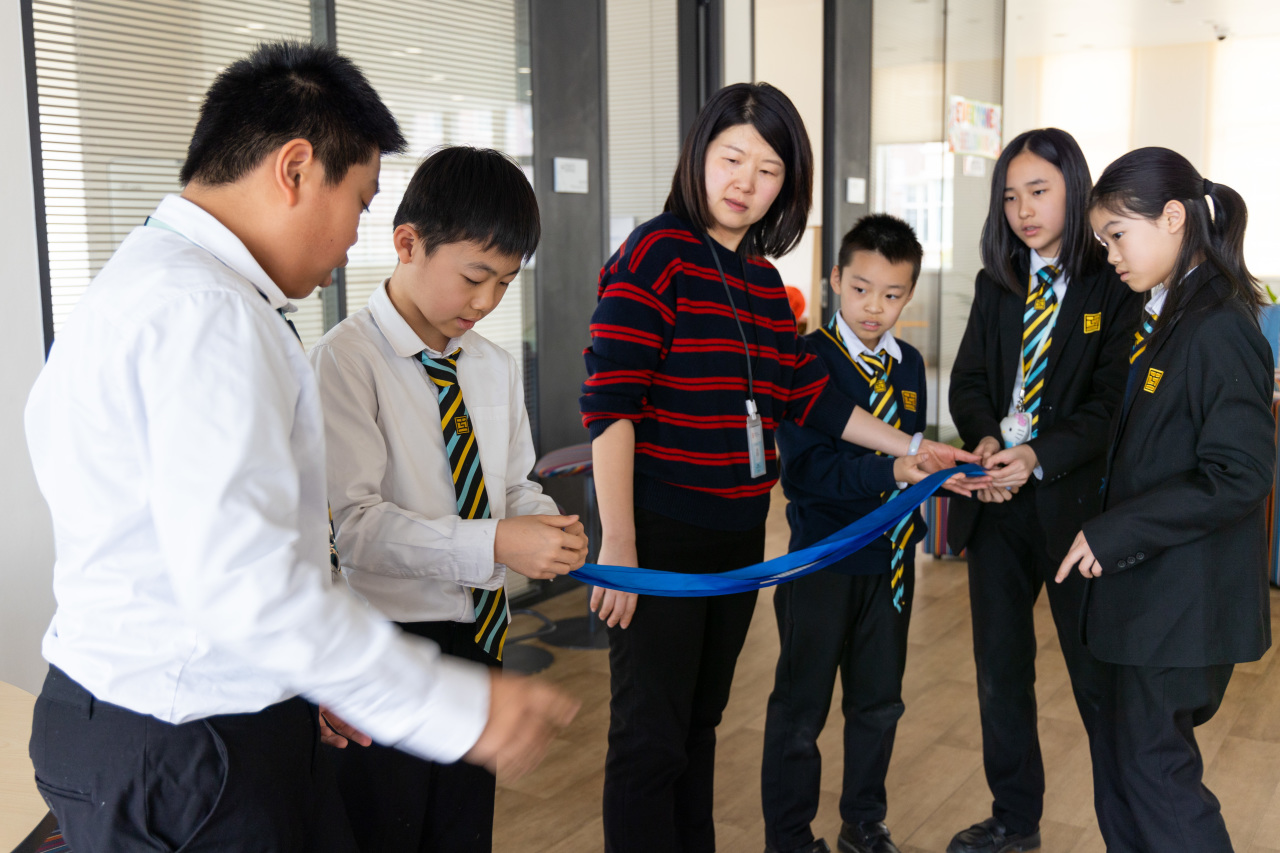
Learning Across Subjects
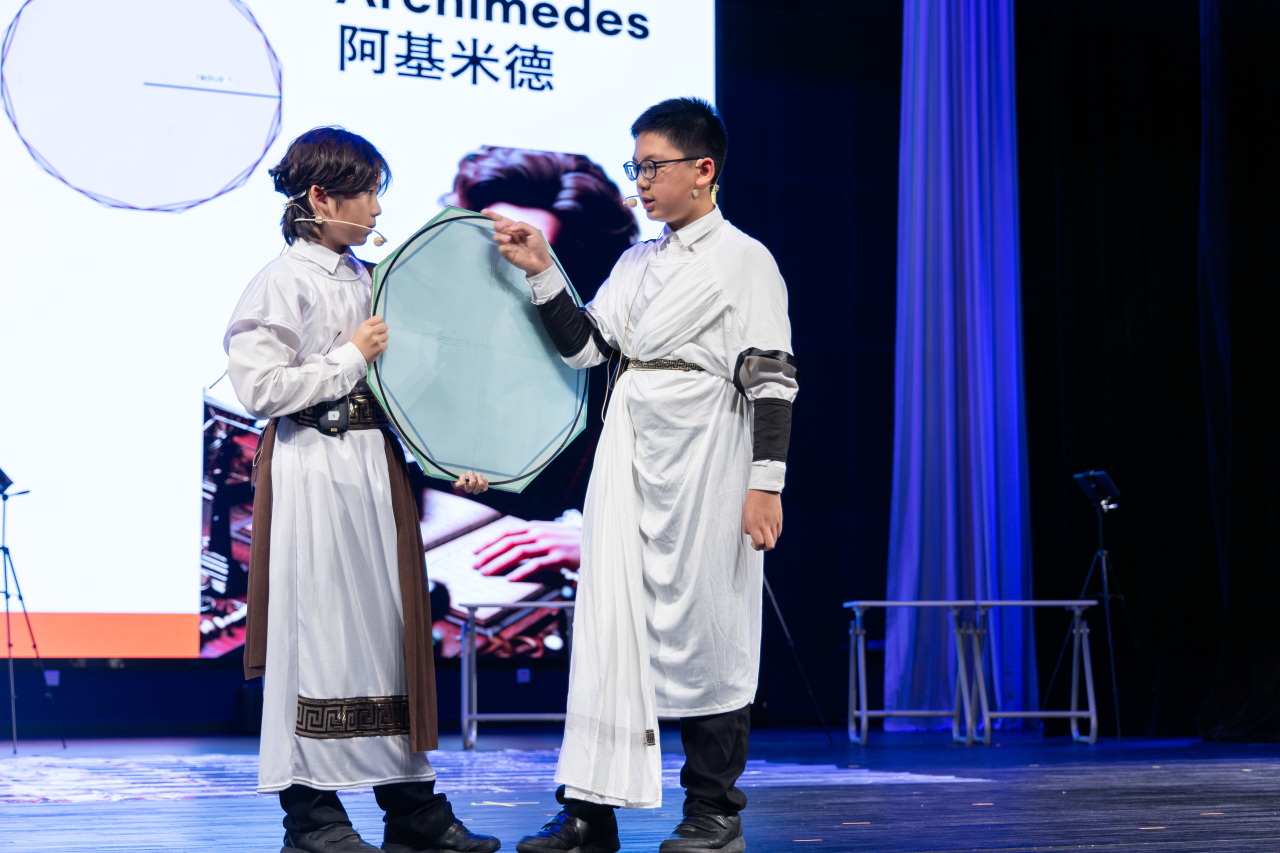
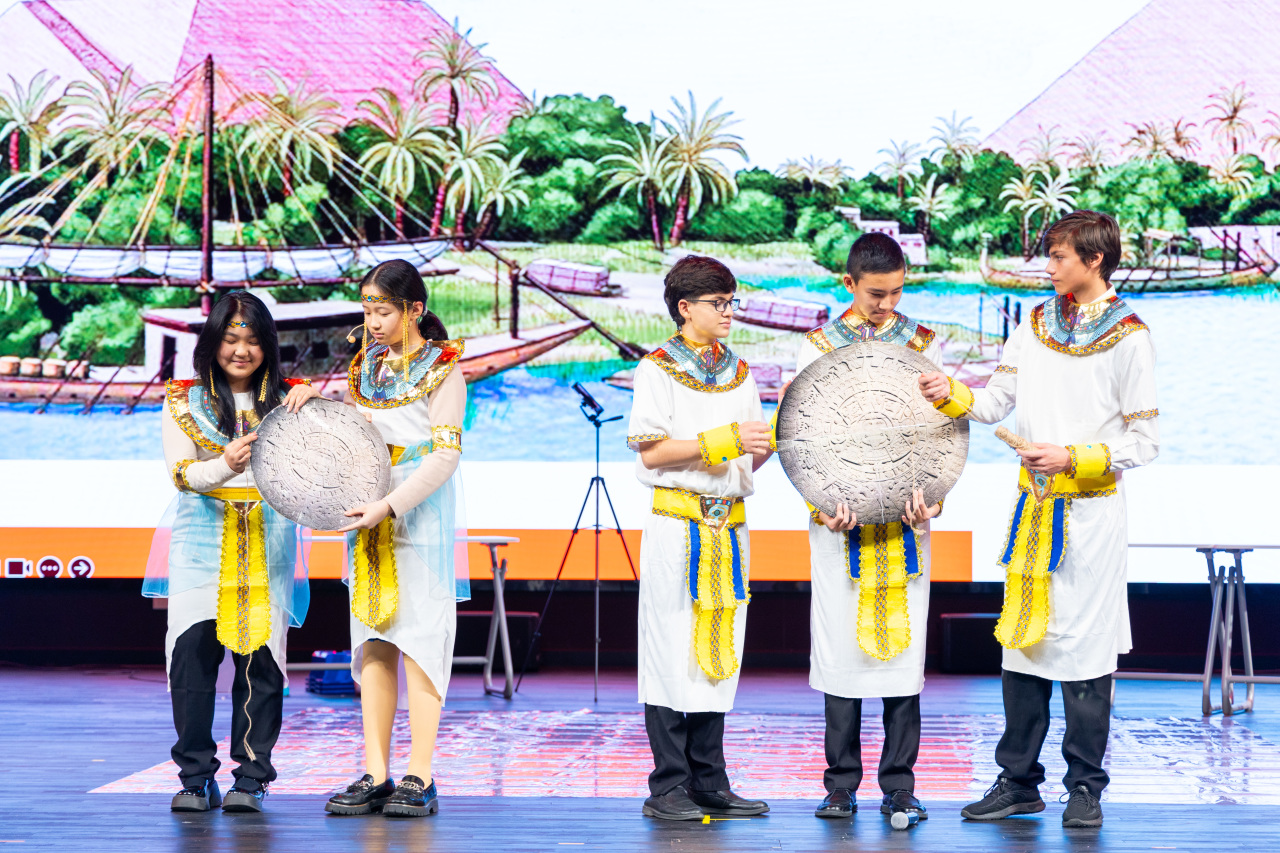
Strong maths is about seeing the world through a mathematical lens. To support this, our teachers plan interdisciplinary units together. For example, when Grade 2 explores Ancient Egypt and Rome in their Topic lessons, maths classes focus on 3D shapes at the same time. Pupils use the properties of pyramids, prisms and cylinders to understand how ancient structures were designed and built. This nurtures early habits of knowledge transfer, multi step thinking and independent inquiry.
Assessment That Informs Teaching
We use a pupil centred assessment framework that draws on in class questioning, unit assessments, collaborative tasks and standardised English medium maths tests. This allows teachers to understand:
Horizontal progress — how a pupil compares within the cohort
Vertical progress — their individual growth over time
Teachers then use this information to identify bottlenecks, adjust strategies quickly and set goals that are ambitious but achievable.
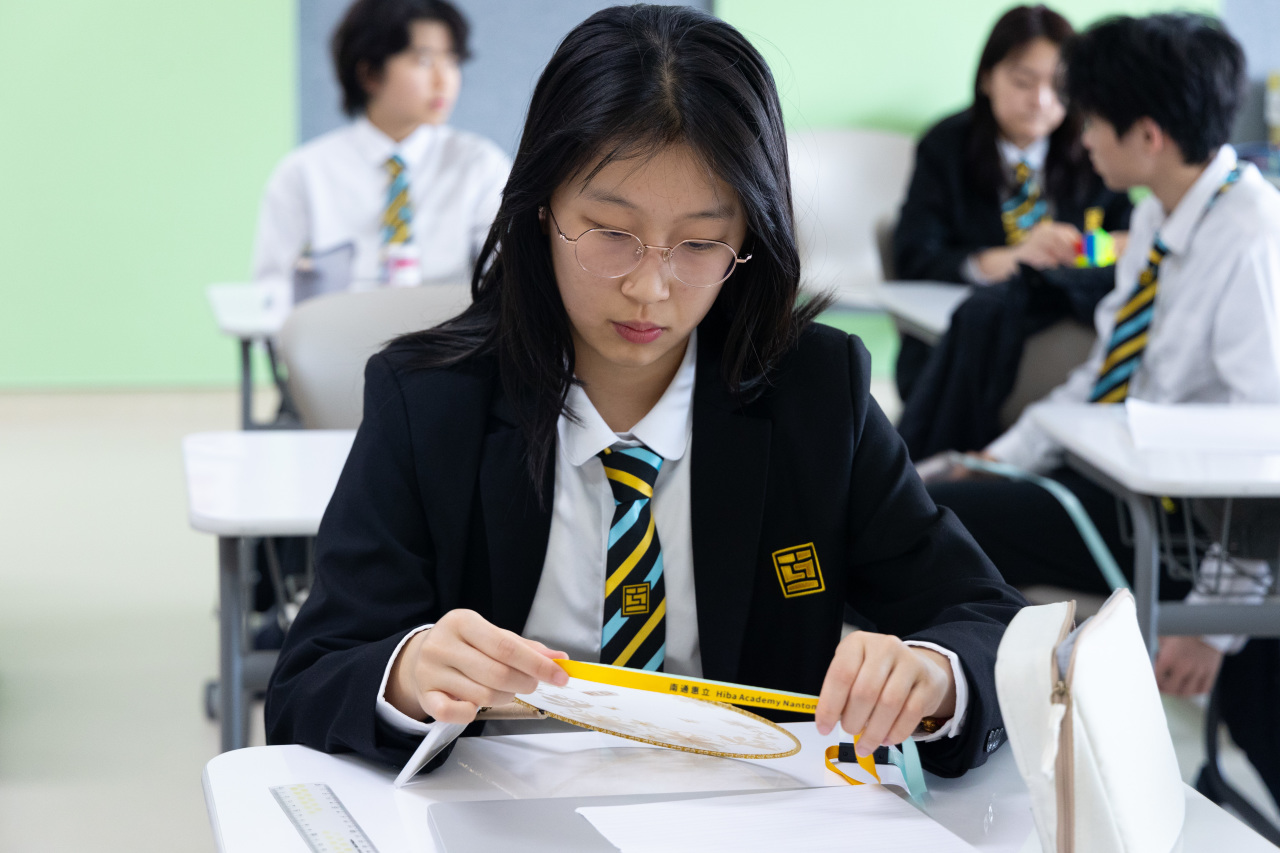
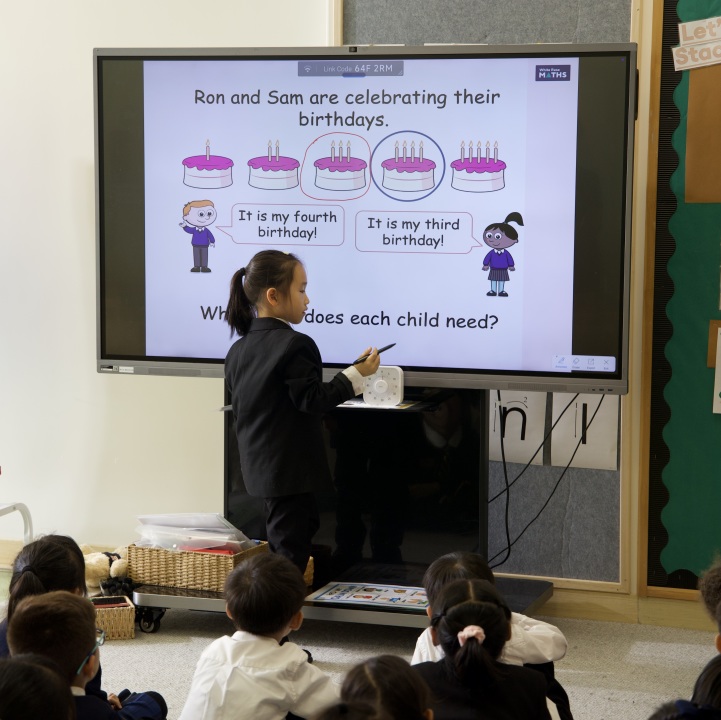
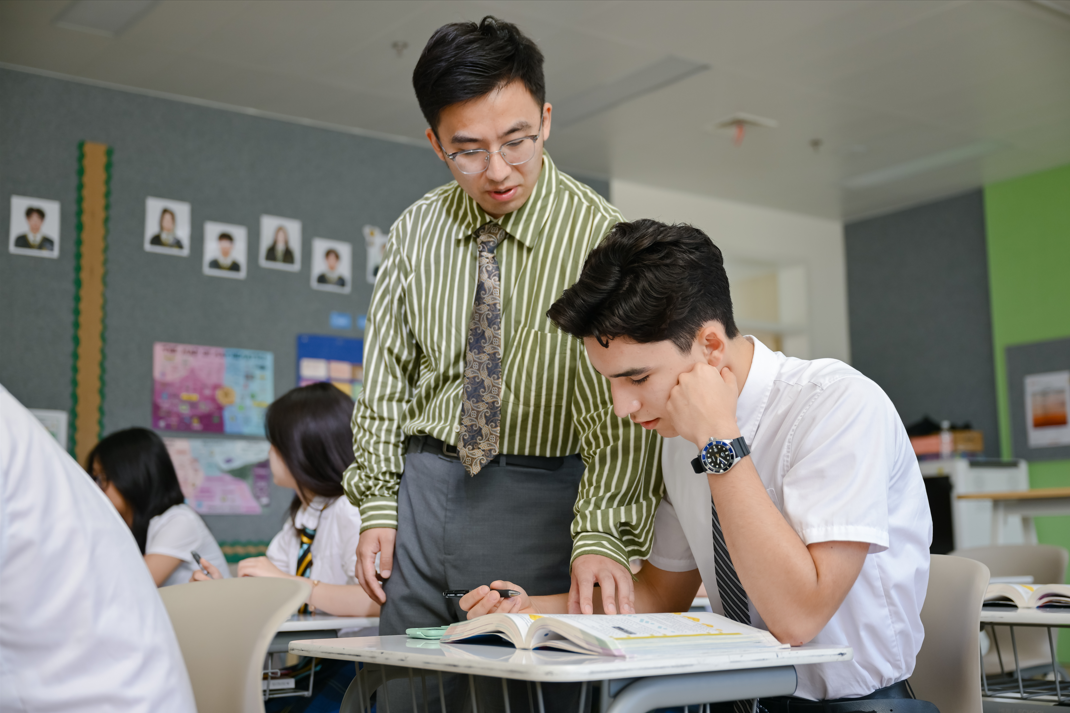
At Hiba Academy Nantong, maths is not simply a series of exercises on paper. It is a way of thinking — a toolkit for approaching real world problems with clarity, creativity and confidence. With bilingual learning as the vehicle and cross curricular integration as the route, we help pupils grow into curious, resilient thinkers who can apply mathematical understanding wherever life leads them next.



In this edition of Hiba Insights: Educator Perspectives, Ms Xing, our Head of Primary Maths, shares her journey as an educator. From discovering skip counting through playground games in Australia to researching bilingual maths education at Durham University in the UK, her story reflects a thoughtful blend of Eastern and Western approaches to teaching and learning.
At Hiba Academy Nantong, bilingual maths teaching is much more than simply using two languages. It brings together two complementary ways of thinking about mathematics. Chinese approaches offer strong logical structure and computational fluency, giving pupils a solid foundation. Western approaches place greater emphasis on context, discussion and problem solving, encouraging pupils to explore ideas from different angles and learn through trial and error. In our classrooms, we don’t rely on a single approach. We encourage pupils to draw on both, helping them build a flexible and well rounded understanding of maths.
Kristen Xing
Head of Primary Maths
Maths at Hiba Academy Nantong
Bilingual, Practical, Rigorous
Maths is a rigorous discipline and a powerful way to understand the world. At Hiba Academy Nantong, we teach maths through a bilingual approach that blends clear structure with real world application and confident communication in both languages.
Our Show–Do–Think–Solve Approach
Show
Pupils share what they already know, prompted by thoughtful questions.
Do
Concepts are strengthened through hands on activities and focused practice.
Think
Understanding deepens through reasoning, discussion and guided inquiry.
Solve
Knowledge is applied to real contexts and meaningful problems.
From budgeting daily expenses to modelling weather patterns, pupils learn to break down problems, analyse them systematically and explore different solution paths through games, group work and real world modelling. Along the way, they build core skills in logical reasoning, pattern recognition and creative problem solving — skills that transfer well beyond maths.
Why Bilingual?
Our bilingual approach brings together two complementary strengths. Chinese teaching approaches emphasise logical rigour and fluency, giving pupils a strong foundation. At the same time, Western, English-language approaches encourage context, discussion and collaborative inquiry. This helps pupils approach problems from different angles and develop resilience through trial and error.
By the time they advance to the upper Primary years, pupils typically master 500–1,000 mathematical terms in English. This supports an international perspective and prepares them for bilingual or overseas study.
Meeting Pupils Where They Are
Every pupil learns differently. Some think best in shapes and spatial patterns; others prefer step by step logical reasoning. We use a blend of personalised and differentiated teaching, designing tiered tasks that extend high achievers while providing focused support for those who need reinforcement. The aim is steady progress for every pupil and genuine confidence in their mathematical journey.
Learning Across Subjects
Strong maths is about seeing the world through a mathematical lens. To support this, our teachers plan interdisciplinary units together. For example, when Grade 2 explores Ancient Egypt and Rome in their Topic lessons, maths classes focus on 3D shapes at the same time. Pupils use the properties of pyramids, prisms and cylinders to understand how ancient structures were designed and built. This nurtures early habits of knowledge transfer, multi step thinking and independent inquiry.
Assessment That Informs Teaching
We use a pupil centred assessment framework that draws on in class questioning, unit assessments, collaborative tasks and standardised English medium maths tests. This allows teachers to understand:
Horizontal progress — how a pupil compares within the cohort
Vertical progress — their individual growth over time
Teachers then use this information to identify bottlenecks, adjust strategies quickly and set goals that are ambitious but achievable.
At Hiba Academy Nantong, maths is not simply a series of exercises on paper. It is a way of thinking — a toolkit for approaching real world problems with clarity, creativity and confidence. With bilingual learning as the vehicle and cross curricular integration as the route, we help pupils grow into curious, resilient thinkers who can apply mathematical understanding wherever life leads them next.